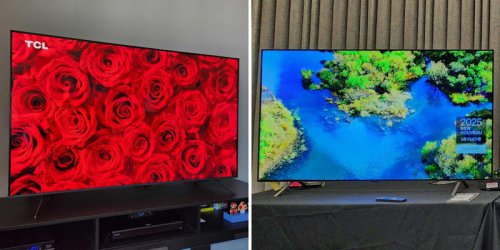
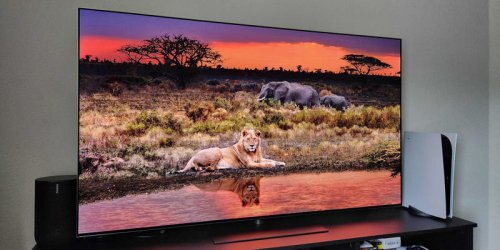
The best art frame TVs of 2025: How do Samsung, Hisense, and TCL models compare?
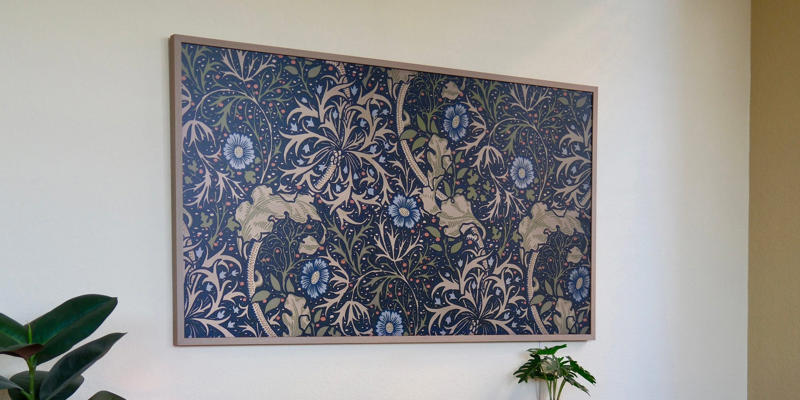
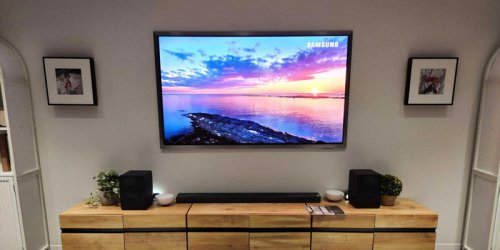
Art TVs, like the Samsung Frame, are designed to resemble hanging paintings when not in use as a TV. Tyler Hayes/Business Insider
TVs have become the centerpiece of many living rooms, but they don't always look great when not in use. After all, a big black rectangle hanging on your wall is much less appealing than a painting or a family photo. That's where Samsung's Frame TVs come in. Since debuting in 2017, they've redefined how a television can blend into your home.
The best Frame TVs are designed to resemble artwork when idle, with matte screens that mimic canvas, slim wall mounts for a flush fit, customizable bezels, and access to digital art galleries. And Samsung isn't alone anymore as brands like Hisense and TCL have entered the mix with their own art-inspired TVs that double as stylish decor.
Over the past few years, I've tested several Frame models, including Samsung's flagship Frame Pro, and have been impressed overall. But I've also been eager to see how the competition stacks up, especially since Hisense and TCL's versions tend to be more affordable. Can the Hisense CanvasTV and TCL NXTVISION TV match Samsung's design without sacrificing picture quality or features?
To find out, I tested the best art frame TVs from Samsung, Hisense, and TCL. Here's what I discovered about each one, with details on their strengths, trade-offs, and which type of buyer each is best suited for.
Our picks for the best frame TVs
Best overall
Samsung's standard Frame TV is the best art TV for most people. It has all the bells and whistles that an art TV should have, and it offers a few perks that cheaper options from other brands lack.
When it comes to art-style design and features, the Frame has all the usual suspects: a matte screen, support for magnetic bezel attachments (sold separately), a flush wall mount, and a motion sensor. That latter feature allows the TV to engage its art mode only when people are in the room.
Due to its longevity in the market, the standard Frame TV offers more bezel accessories than any other art TV, with options ranging from simple to extravagant. However, these bezels cost extra, and the TV does not include any in the box (it just has a black border by default).
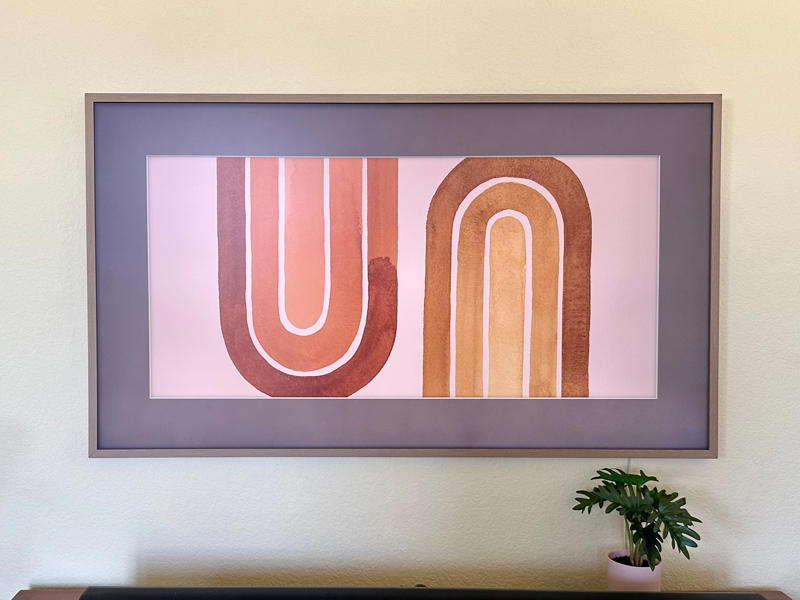
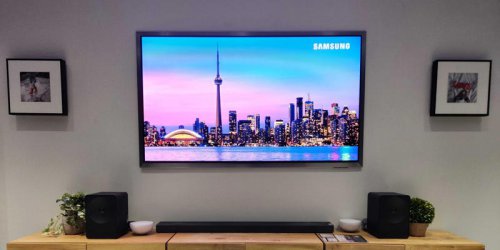
The standard Frame TV uses a wired connection box with one thin, transparent cable that's easy to hide. (It's behind the plant in the image above.) Tyler Hayes/Business Insider
The Frame comes with a wired One Connect Box, which simplifies power and device connections through a single cable that runs from the screen to the box. Thanks to this design, I don't have to move the TV if I want to connect an antenna or add a new game console, as I can simply plug components into the box and keep it out of sight. The wired cable is thin and transparent, making it easy to navigate fireplaces and other structural obstacles. I keep mine hidden by a plant on my media console.
Samsung's Art Store is packed with high-quality images that can be displayed on the Frame TV. The selection is much more comprehensive than the free offerings provided by Hisense and TCL. However, while Samsung does offer a limited stream of free, curated artwork, to access the entire collection, you need to sign up for a paid subscription.
The TV's anti-glare, matte screen does a great job of keeping it visible in sun-filled rooms — both in art mode and when watching content during the day. But like most art TVs, the Frame's image quality is nothing special. Brightness is limited to about 500 nits, and contrast is relatively low compared to a typical midrange TV meant for home theaters. The TV's edge-lit backlighting is often visible across scenes in movies and TV shows, causing elevated black levels. In the dark, this uneven lighting can be downright distracting.
However, it's important to remember that the Frame isn't built for picture quality aficionados. It's built for design-focused buyers who want a TV that doubles as a piece of art in their living room. And in that sense, it excels. I also love that it's available in several screen sizes. The latest 2025 model ranges from 43 to 65 inches, but older versions of the TV are still available in sizes ranging from 32 to 85 inches.
Best high-end model
The Frame Pro is Samsung's premium art-style TV. It's the most advanced option on the market and offers a noticeably bolder, brighter image than any other display in this guide.
This model carries over all of the essential features found on the standard Frame TV, including a matte screen, support for attachable bezels, a flush wall mount, and a motion sensor. What sets this model apart from Samsung's cheaper Frame is its wireless connection box and local dimming backlight.
Like the standard Frame TV, the Frame Pro uses a separate One Connect Box to house its video ports. However, the Frame Pro takes it one step further by making this connection box wireless. It still needs to be plugged into an outlet, but it doesn't require a physical connection to the TV itself. This greatly opens up placement options and has a legitimate shot at revolutionizing how people work around obstacles in their home so they can mount their TV in spots that were previously too tricky to work.
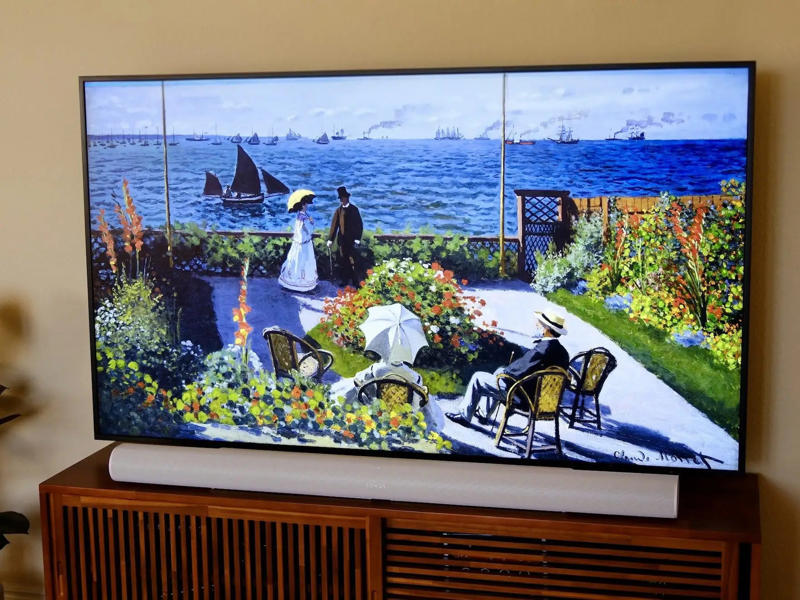
When it comes to picture quality, the Frame Pro utilizes Samsung's Neo QLED technology with Mini LED edge-lit local dimming, which provides a significant technical advantage over the standard Frame TV and rivals from other brands. Every other art TV uses a standard edge-lit LED backlight without dimming, which greatly limits contrast and brightness. But the Frame Pro's Mini LEDs help it achieve a peak brightness of around 1,000 nits, which is about double what the standard Frame, Hisense Canvas, and TCL NXTVISION can output.
This higher brightness allows the TV to produce bolder highlights when watching high-dynamic-range (HDR) videos and helps it overcome ambient light in rooms with many windows. The Mini LED backlight can also produce deeper black levels than other art frame TVs, so dark scenes don't look as washed out and uneven when watching TV with the lights off.
That said, there are still some caveats that prevent the Frame Pro from being a complete slam dunk for everyone. The biggest consideration, quite literally, is its size. The Frame Pro is only offered in 65-, 75-, and 85-inch options. Those large sizes won't work for everyone. Additionally, though the Frame Pro's Mini LED backlight is an improvement over a regular LED panel, I still noticed some light blotches and uneven dimming during some dark scenes in nighttime viewing. While this is the best frame TV for picture quality, it still can't match the image performance of most traditional midrange QLED and OLED TVs.
It's also important to remember that access to Samsung's full Art Store requires a subscription fee, and that magnetic bezel attachments are an additional cost. But while this all adds to the price, the Frame Pro is easily the best art TV for premium performance.
Best Frame TV alternative
The Hisense CanvasTV is a strong Frame TV competitor, and does a solid job of matching most of the standard Samsung Frame's features and design perks. It has all the essentials that make an art TV an art TV, including a matte screen, support for magnetic bezel attachments, a flush mount, access to digital paintings, and a motion sensor.
I also like that Hisense offers a solid assortment of free paintings and photos without requiring a subscription. In fact, Hisense doesn't currently offer a premium membership. The selection of photography and art prints isn't as wide as what you'd get with Samsung's paid Art Store, so if you like to switch up the mood in your room frequently, you won't have as many options. However, I never had that problem and found more than enough free choices that I liked.
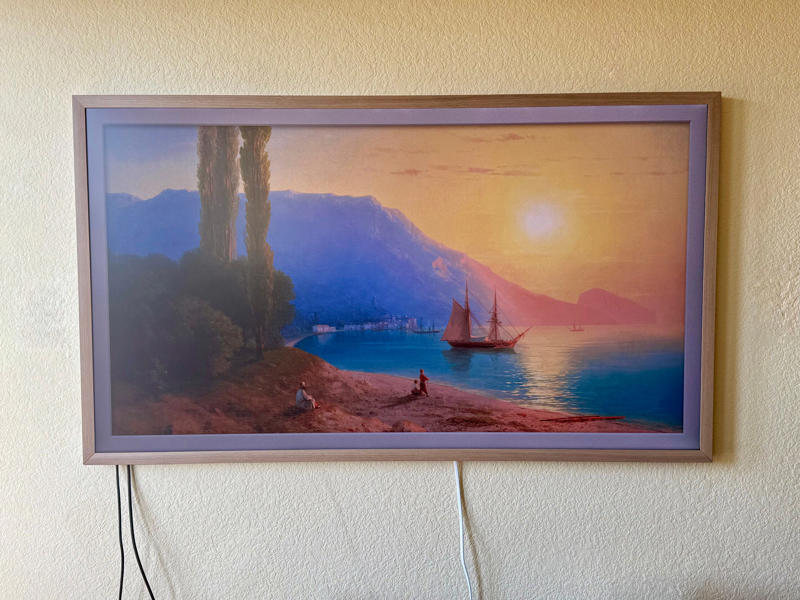
The CanvasTV's biggest downside is its lack of a connection box, which means wires to your connected devices will hang down from the display. Tyler Hayes/Business Insider
The biggest complaint I have about the CanvasTV is that all of its connection ports are built into the back of the display, just like a traditional TV. This is in contrast to Samsung's Frame models, which use a separate connection box. So, if you have multiple media devices you want to hook up, you could be left with multiple cables hanging down your wall, which hinders the TV's ability to mimic a framed painting. Of course, you could hide cables with a cover or by feeding them through the wall if you're able to do some drilling, but Samsung's solution is a lot more user-friendly and versatile.
On the plus side, I like that the TV comes with a magnetic bezel that looks like a wood frame. You'd have to pay extra for that when buying a Samsung model. However, alternate magnetic bezels are difficult to track down through Hisense or third-party retailers. The most common search results are for those from sellers on Etsy. In contrast, there are tons of styles available for Samsung Frame TVs.
In terms of picture quality, there's not much separating the CanvasTV from Samsung's standard Frame. The 4K QLED display offers decent pop in both dark and light room conditions with similar brightness capabilities. Watching movies with the basic settings most people use, I couldn't easily tell a difference between the two products in terms of black levels or color saturation. That said, I did find the CanvasTV's viewing angles to be more limited, especially when watching TV during the day in bright light.
But even with its drawbacks, Hisense's CanvasTV is the best Frame TV alternative for anyone who wants a more affordable art TV that mimics most, but not all, of the features offered by Samsung's model.
Best on a budget
Thanks to its matte display and thin frame, the TCL NXTVISION is convincing enough as an art-style TV. It's missing some features found on the Samsung Frame and Hisense CanvasTV, but it earns some extra points in overall value. This model is often the most affordable art TV of the bunch, with common discounts bringing the 65-inch model down to as low as $850.
The NXTVISION TV comes with a light wood-style bezel that attaches easily with magnets. Unfortunately, I had a hard time finding replacement colors or different options through online searches. This could change, but at the moment, Samsung has a clear advantage when it comes to bezel accessories.
TCL offers over 100 pieces of free art to display when the TV is off, as well as some screensaver-like choices with motion and the option to show details like the time. Though the selection is solid, it's smaller than those offered by Hisense's free gallery or Samsung's paid service. I didn't have any trouble finding art to use, but ask me again in a year or two, and the limited selection may become a more significant issue.
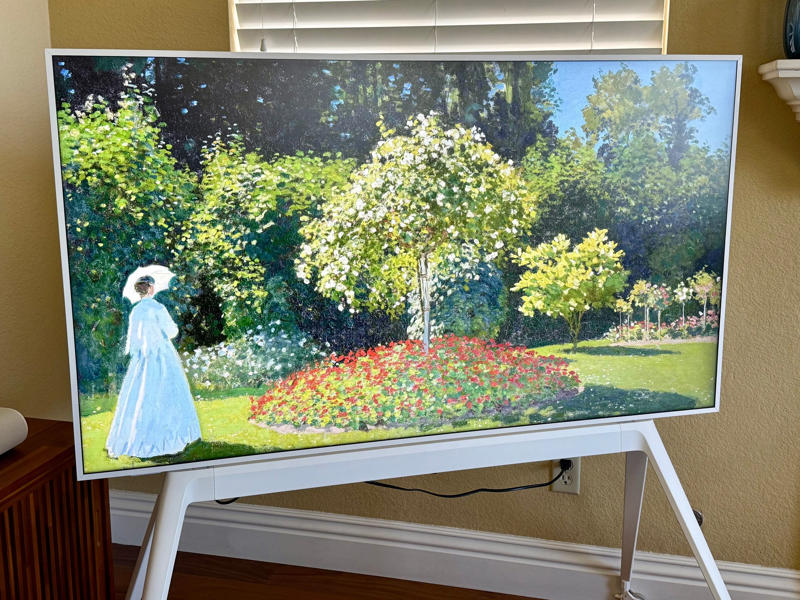
Like the Hisense CanvasTV, the NXTVISION keeps its connection ports built into the panel rather than having a separate box. This means that you might have to deal with multiple wires hanging down your wall if you mount the TV. Sadly, this model also lacks a motion sensor to turn the TV on and off, depending on whether people are present or absent in the room. Both the Samsung Frame/Frame Pro and the Hisense CanvasTV have motion sensors.
I was also disappointed by the NXTVISION TV's limited customization options for artwork. You can add a mat to prints, but the aspect ratio of those mat choices is limited and doesn't help a piece of art look any more convincing. Both Hisense and Samsung outdo TCL in this area as well.
The TV doesn't come with a stand, but a slim wall mount is included in the box. If you need a stand, TCL offers one with wheels and a rear shelf to hold the remote and small devices, such as an Apple TV. I was able to test this stand, and it's a nice option. However, this stand is expensive, and I do wish a basic one were included with the TV.
General picture quality is similar to that of the standard Frame and Hisense CanvasTV, but this set is a tad dimmer. Its viewing angles are a bit wider than Hisense's TV, though, as I observed at different times of the day.
Although there are a few areas where TCL's NXTVISION falls short compared to other art TV options, it's typically the most budget-friendly display of this kind. Sizes range from 55 to 85 inches, and the 55-inch model is often on sale for as low as $698, which undercuts the typical street price of the Frame and CanvasTV. However, if the NXTVISION and CanvasTV are available for the same price, I give an edge to Hisense's model.
The TCL NXTVISION is best for people who want a stylish TV but only have a passing interest in the art mode. It's a decent art TV on a budget, but its lack of customizations and motion sensor puts it a step below the competition.
Art frame TVs compared
| Samsung Frame | Samsung Frame Pro | Hisense CanvasTV | TCL NXTVISION | |
| Typical price (65 inch) | $1,700 | $2,100 | $1,000 | $900 |
| Matte screen | Yes | Yes | Yes | Yes |
| Flush wall mount | Yes | Yes | Yes | Yes |
| Motion sensor | Yes | Yes | Yes | No |
| Stand included | Yes | Yes | Yes | No |
| Magnetic bezels | Yes (sold separately) | Yes (sold separately) | Yes, teak included | Yes, light wood included |
| Separate connection box | Yes (wired) | Yes (wireless) | No | No |
| Local dimming | No | Yes | No | No |
| Sizes | 43 to 65 inches | 65 to 85 inches | 55 to 85 inches | 55 to 85 inches |
How we test art TVs

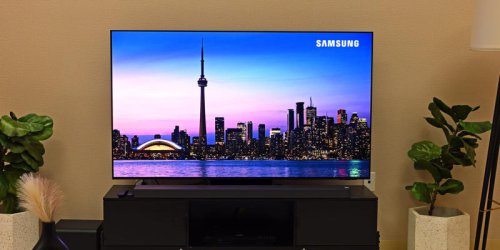
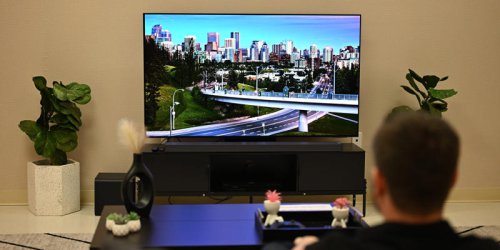
We tested each art TV in the same conditions and looked for key differences in features and performance. Tyler Hayes/Business Insider
To find the best frame TVs, we tested all of the major models from Samsung, TCL, and Hisense. We focused on how each display performed as a design-oriented frame TV, paying careful attention to any differences in overall quality and features between them.
The primary reason people buy art frame TVs is for their unique design. So, while picture quality is still important, it is secondary to other elements, such as painting realism, the amount of included artwork, accessories, interface, and other software features.
I've purchased several Samsung Frame TVs over the years, and I've had hands-on experience with each of the models featured in this guide. I used them to watch movies, TV shows, and play video games. They were all tested in similar, well-lit rooms with ample sunlight to evaluate their glare and anti-reflective properties. I used the same movie at the same volume percentage to try to get a sense of the image and speaker quality on each TV.
Art TV FAQs
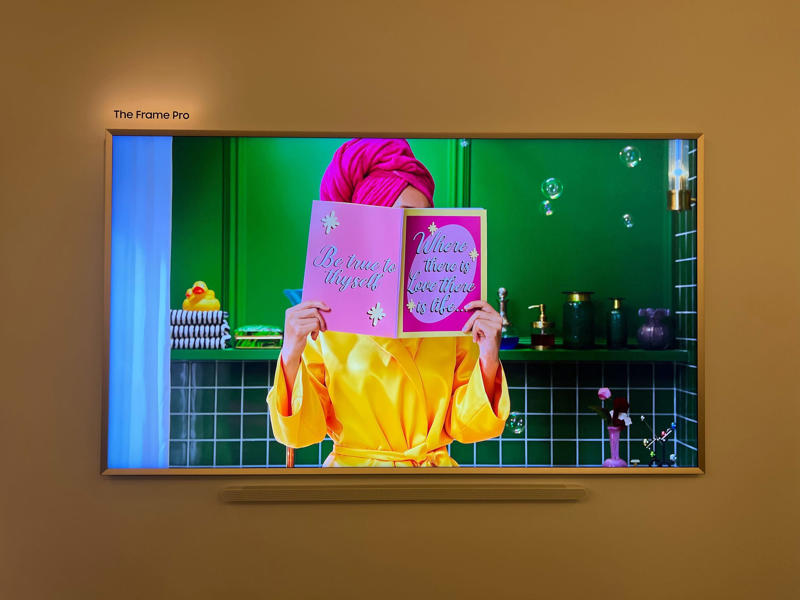
What is an art frame TV?
An art TV is designed to resemble a framed work of art when it's "off" and not in use for watching TV. To accomplish this, all of the best art TVs include key features that set them apart from most traditional TVs. These include:
- An anti-reflective matte screen meant to resemble canvas
- A thin profile and flush wall mount so they can hang like a picture
- Support for magnetic bezel attachments in different art-frame styles
- Access to a curated gallery of art and photographs that can be displayed when the set isn't used as a TV
Some, but not all, art TVs also include additional features that help them to further mimic the look and feel of a framed painting:
- A separate connection box so you can keep your wall free from cables
- A motion sensor to turn on the TV's art mode only when people are in the room
Which brands make frame TVs?
Samsung, TCL, and Hisense all produce art TVs designed to replicate the appearance of a framed painting. Other major brands, such as LG, Sony, Roku, Amazon, and Vizio, do not currently sell display models specifically designed to function as frame TVs, but some of their TVs offer certain features that art TVs provide.
For instance, the LG G5 uses the company's "Gallery" design, which allows it to hang flush on your wall. However, the G5 lacks other key features that we consider essential for an art TV, like a matte screen and support for magnetic bezel attachments.
Can you access art gallery services on other TVs?
Most TVs have a screensaver feature that displays various images when you're not watching a movie or show. However, these modes aren't as full-featured as those found on the best frame TVs, and the selection of images is often more limited.
That said, Samsung now offers access to its full Art Store on all of its 2025 Neo QLED and QLED TV models. Those displays don't have all the design features of a Frame TV, but they can showcase the same images, so long as you have an Art Store subscription.
Are art TVs good for home theater enthusiasts?
Art TVs place a greater emphasis on design than on picture quality. Generally speaking, most midrange and high-end traditional TVs offer better image performance than even the best frame TVs. This is especially true when it comes to contrast, brightness, and black levels. While casual viewers may not notice the backlight limitations found on most art frame TVs, those with a keen eye will see uneven lighting with distracting patches of brightness. If you're a home theater enthusiast looking for a TV with picture quality in mind, we don't recommend buying a frame TV.
For traditional TV recommendations, check out our full suite of buying guides:
- Best TVs
- Best smart TVs
- Best 4K TVs
- Best OLED TVs
- Best sports TVs
- Best gaming TVs
- Best budget TVs
- Best TVs under $500
- Best 100-inch TVs
- Best 85-inch TVs
- Best 75-inch TVs
- Best 65-inch TVs
- Best 55-inch TVs
- Best 50-inch TVs
- Best 43-inch TVs
- Best Sony TVs
- Best LG TVs
- Best Roku TVs
Do art frame TVs have good sound quality?
Generally speaking, most TVs, including art frame-style ones, do not have good sound quality. Brands use small speaker drivers to fit them into flat panel designs, which restricts dynamic range, stereo separation, and depth.
Among the frame TVs we tested, the Hisense CanvasTV had the strongest audio output; however, it was still susceptible to a lack of bass. For optimal audio quality, we recommend using a soundbar.
You can view our top recommendations in our various audio buying guides:
- Best soundbars
- Best budget soundbars
- Best Dolby Atmos soundbars
- Best soundbars with subwoofers
- Best Bose soundbars
- Best Sonos soundbars
- Best surround sound systems