The great dark chocolate myth
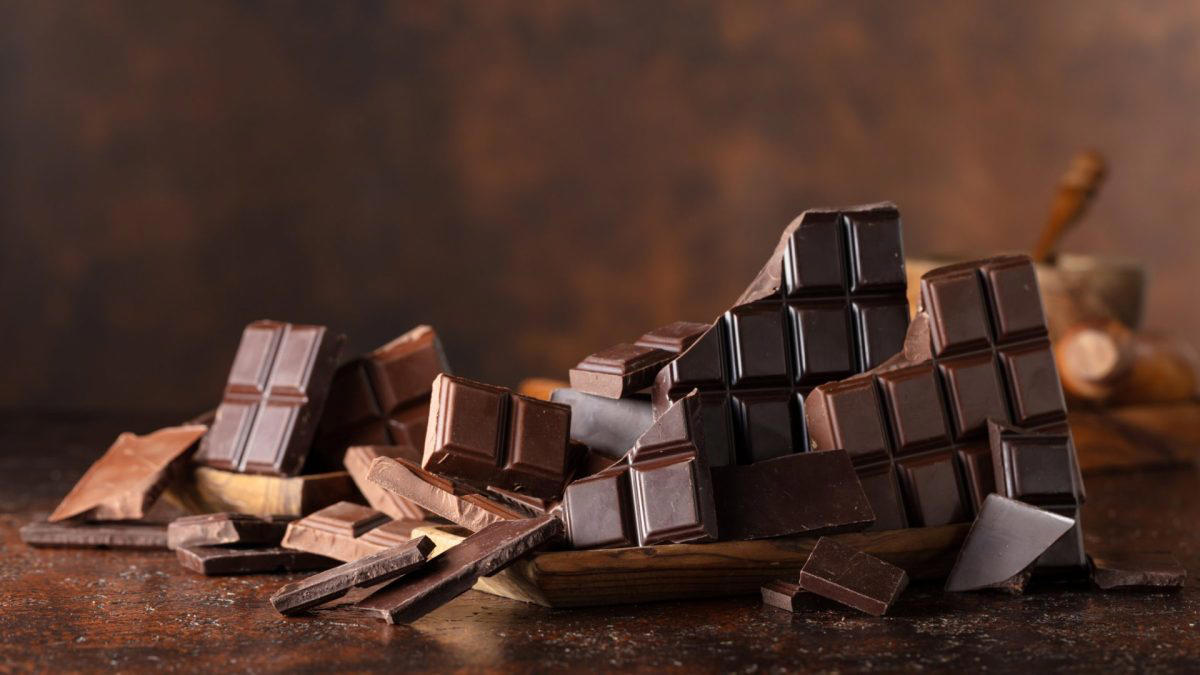
As I have been buying Easter eggs this week, I’ve been thinking about the health impacts of different kinds of chocolate. It is often claimed that dark chocolate is the healthiest kind, because of its flavanols – substances supposed to protect the heart – and low sugar content. Some nutritionists even recommend deliberately having a couple of squares of dark chocolate at the end of a meal for health reasons – a far cry from the old view that chocolate is a nutrition no-no. (Photo: igorr1/Getty)
Earliest hints of health benefits
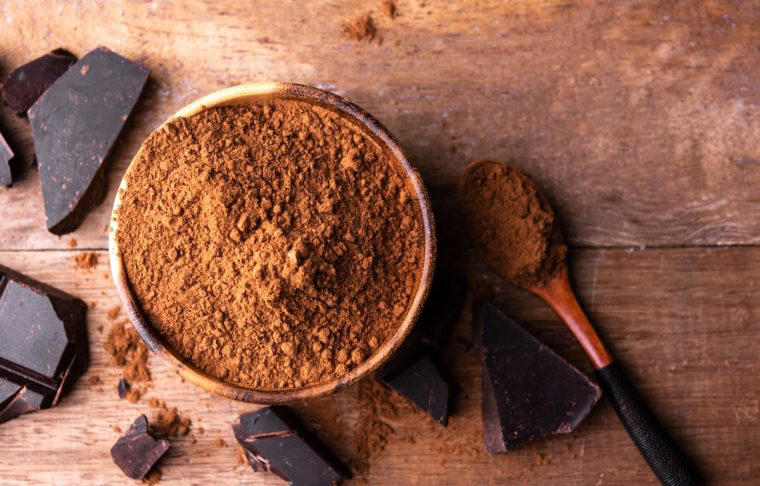
Some of the first hints that chocolate has health benefits came from the discovery in the 1990s that the indigenous Kuna people of Panama do not experience the rise in blood pressure normally seen with ageing, which is a major contributor to heart disease. The Kuna people traditionally drank five cups of cocoa a day. This finding spurred an explosion of medical research into the constituents of cocoa, some of which was funded by chocolate companies, for obvious reasons. The consensus became that any benefits were arising from flavanols, a large group of biochemicals found in cocoa as well as several other plants, including tea, apples, and many berries. (Photo: Getty)
Flavanols
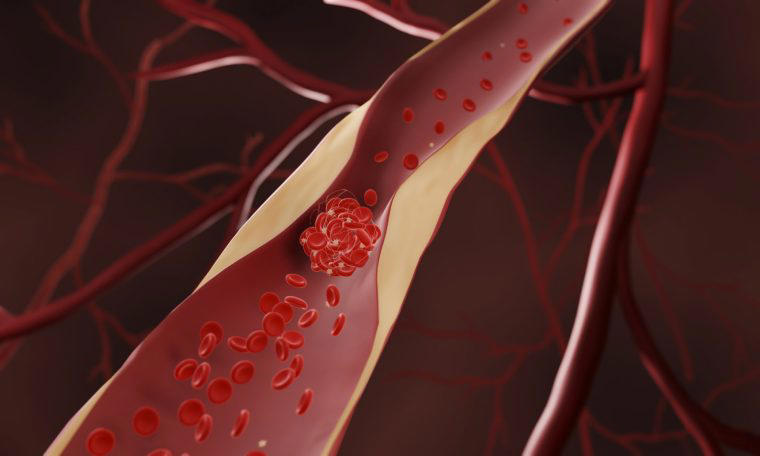
Flavanols were first thought to have health benefits because they are part of the even larger group of compounds called antioxidants, which may help protect cells against ageing-related damage – although the importance of antioxidants in the diet is still unclear. Research on cells in the laboratory suggested that flavanols have additional benefits for the heart because they both reduce blood clot formation and relax blood vessels, which reduces blood pressure. This seemed to be supported by population studies in Western countries that found people who ate more plant foods high in flavanols tended to have lower rates of heart disease. (Photo: Artur Plawgo/Science Photo Library/Getty)
Evidence of benefit crumbles
It was an enticing theory: a delicious food that is usually seen as bad for us is, in fact, good. Unfortunately, on closer inspection, the evidence appears to crumble, much like chocolate that has been kept too long in the cupboard (not that that happens often in my house). For starters, the health claims were not, in the main, based on the best kind of medical evidence, the randomised trial, where half the subjects would be given a daily ration of dark chocolate, half not, and their health compared at the end. Research on cells in the lab often doesn’t translate to real-life health benefits. And the population studies that were carried out are prone to bias, because these days, people who eat more fruit and veg – or dark chocolate – tend to have higher incomes and be more health conscious too. Either of those factors could be the real reason higher flavanol consumption correlates with better health, said Dr Mohammad Talaei, a health researcher at Queen Mary University of London. “There are biases with regard to chocolate research,” he said. And there’s a second reason for doubting the health claims, said Professor Gunter Kuhnle, a nutrition expert and flavanol researcher at the University of Reading. (Photo: Emilija Manevska/Getty)
Little meaningful difference in sugar

How about the other main claim for dark chocolate, that it has less sugar? That isn’t always true, either. Some dark chocolate products, like Cadbury’s Bournville, have slightly more sugar than their equivalent milk chocolate version, like Cadbury’s Dairy Milk. The high-end brands of dark chocolate often have lower sugar levels, though. For instance, Lindt Excellence 70% Cocoa has 29g of sugar per 100g, compared with 55g for Lindt Milk. But if someone is having the much-vaunted two squares of chocolate after a meal, that difference in sugar doesn’t amount to much. If we assume two squares are about 12g of chocolate, the Lindt product would give 3.5g of sugar, while the milk chocolate version would give 6.6g. Although some of the really hard-core dark chocolate, like Montezuma’s Absolute Black – 100% Cocoa, has so little sugar, there is less than 0.1g of sugar in 12g. So, eating two squares of the really, really dark stuff would mean you were having about one teaspoon of sugar less per day than having two squares of milk chocolate. Considering the average person consumes 70 to 90g of sugar a day (up to 23 teaspoons), to me, that’s not really a meaningful difference. But others may disagree. Bridget Benelam, a scientist at the British Nutrition Foundation, said: “If choosing dark chocolate helps you have a bit less sugar in your diet, that’s probably a good thing.” (Photo: Christophe Archambault/AFP/Getty)
Training ourselves to slow down

There could be another way that dark chocolate is better, said Duane Mellor, a spokesperson for the British Dietetic Association who has carried out research into chocolate. Because it is less sweet and has more complex flavours, people may eat dark chocolate more slowly – and so it can be easier to stick to just two squares. “Dark chocolate tends to be more satisfying because you eat it more slowly,” he said. “My tip is to slow down so you can actually feel it melting in the mouth. Then you get the creaminess, and if it’s dark chocolate, you get the depth of flavour at the back of the mouth. If we can train ourselves to slow down, we can enjoy chocolate more and perhaps eat less of it.” (Photo: Manu Vega/Getty)