Five travel insurance myths you need to stop believing
This article may contain links from Escape’s affiliate and advertising partners. They may receive payments when you click on links, buy through them or share this content.
Words by John Burfitt for Escape.com.au
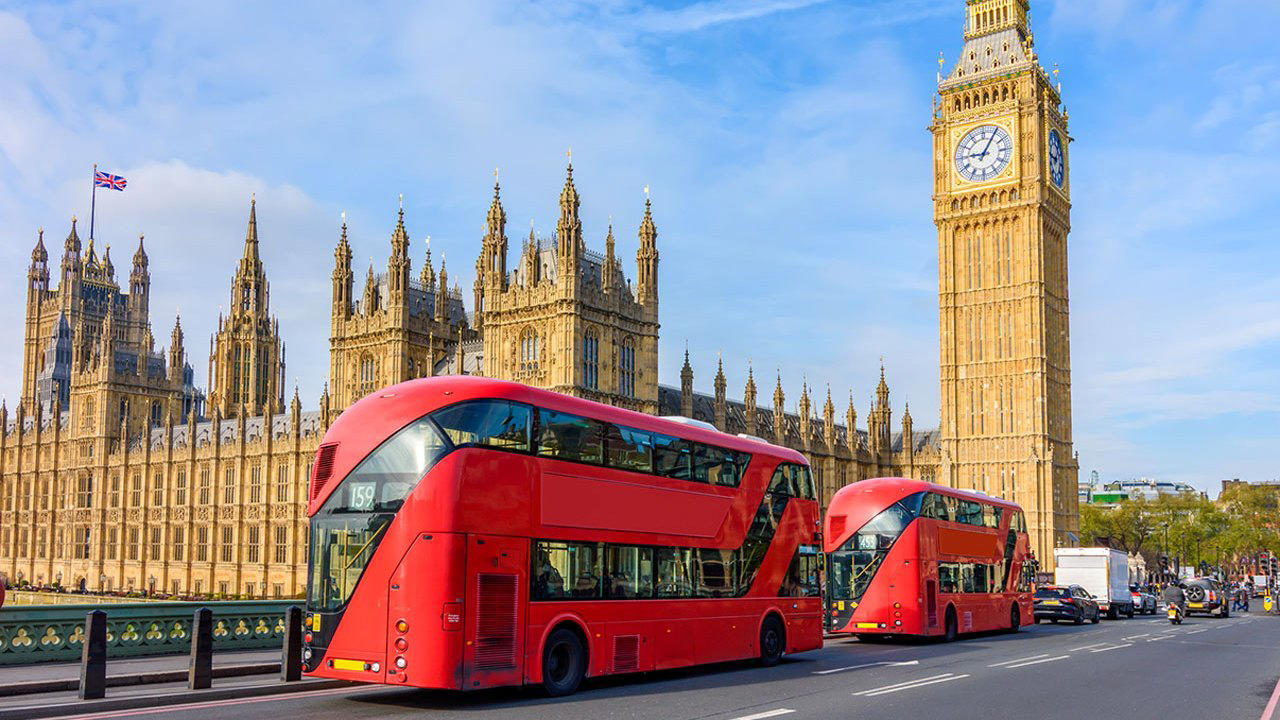
The first time I ever needed support through a travel insurer a decade ago was so catastrophic, it left an impression that I’ve never quite shaken - until now. I was in London at the time and became seriously ill, ended up in hospital three times, and misdiagnosed each time. As my condition worsened, I realised I needed to get home. That’s when my travel insurance nightmare began. Calling the insurer from London, the agent said coldly, “that’s a terrible hospital and you should have known not to go there.” When I explained I needed help changing my flight, she replied, “I’m not sure what you expect us to do - buy a new ticket and claim when you get back.” Which I did - to the tune of $7000. Back home in Sydney, when I attempted to claim, the insurer did everything to avoid paying, dragging the process out for six months. That experience shaped how I’ve viewed travel insurance since: never ask for help, just pay and be prepared for a battle when claiming. But a session at a recent travel conference challenged that way of thinking. Hearing insurers speak about the many ways the insurance landscape has changed, and yet many clients don’t realise, led to me taking a deep dive. So what does it mean to be covered in 2026? Here are the five main myths insurers claim still persist, and how the demands of the modern traveller have changed them.
The first time I ever needed support through a travel insurer a decade ago was so catastrophic, it left an impression that I’ve never quite shaken – until now.
I was in London at the time and became seriously ill, ended up in hospital three times and misdiagnosed each time. As my condition worsened, I realised I needed to get home. That’s when my travel insurance nightmare began.
Calling the insurer from London, the agent said coldly, “that’s a terrible hospital and you should have known not to go there.” When I explained I needed help changing my flight, she replied, “I’m not sure what you expect us to do – buy a new ticket and claim when you get back.”
Which I did – to the tune of $7000. Back home in Sydney, when I attempted to claim, the insurer did everything to avoid paying, dragging the process out for six months.
That experience shaped how I’ve viewed travel insurance since: never ask for help, just pay and be prepared for a battle when claiming.
But a session at a recent travel conference challenged that way of thinking. Hearing insurers speak about the many ways the insurance landscape has changed, and yet many clients don’t realise, led to me taking a deep dive.
So what does it mean to be covered in 2026? Here are the five main myths insurers claim still persist, and how the demands of the modern traveller have changed them.

1. Myth: Don’t declare and remain vague
For many travellers, disclosing personal health details has long been a point of hesitation, driven by fears it will increase costs.
“There was a myth that to declare a pre-existing condition and details of your trip activities was a bad thing, whereas declaring is actually a good thing as your policy is tailored to suit you,” Carole King, CEO of Southern Cross Travel Insurance, said.
With some insurers, fees for coverage of pre-existing conditions have undergone an overhaul in recent years.
“Pricing on certain conditions has actually improved,” she added. “People are far more direct now about telling what they need, and insurance companies have listened.”

2. Myth: Pay first, claim when you get home That’s the instruction I received years ago, but Carole King explains the insurance landscape has fundamentally changed. “Offering to deal with the claim later just does not cut it these days – there’s been a real game change since then,” she says. “A client wants some support at the time they need it.” The myth remains one of the biggest Cover-More deals with states Blain Waterford, Head of Travel ANZ, Zurich Australia. “You can now submit claims online, 24 hours a day, from wherever you are in the world,” he says. “Your travel insurance cover needs to be available while you are on your trip.” The Insurance Council of Australia (ICA) insists it’s crucial to understand how claims are handled before signing up to that insurer. “Some travellers assumes claiming is difficult, but insurers have worked to change that, with many now offering streamlined digital processes,” a spokesperson says.
2. Myth: Pay first, claim when you get home
That’s the instruction I received years ago, but King explained the insurance landscape had fundamentally changed.
“Offering to deal with the claim later just does not cut it these days – there’s been a real game change since then,” she said. “A client wants some support at the time they need it.”
The myth remains one of the biggest Cover-More deals with stated Blain Waterford, head of Travel ANZ, Zurich Australia.
“You can now submit claims online, 24 hours a day, from wherever you are in the world,” he said. “Your travel insurance cover needs to be available while you are on your trip.”
The Insurance Council of Australia (ICA) insists it’s crucial to understand how claims are handled before signing up to that insurer.
“Some travellers assume claiming is difficult, but insurers have worked to change that, with many now offering streamlined digital processes,” a spokesperson said.
3. Myth: Insurers only offer limited support
“The main thing that’s changed has been communication across the world is now so immediate,” King said. “Insurers can find out what’s going on, have a team ready to support the traveller with advice, move money, make new bookings and do whatever is needed – all within an instant.”
That immediate support can also include arranging medical care, changing transport plans and finance if cards or funds are lost.
Cover-More’s Travel Assist app offers immediate assistance from a medical and security team in the cases like illness and crime, as well as cancellations.
“Travel insurance had to embrace real-time, proactive care for travellers – before, during and after their journey,” Waterford added.

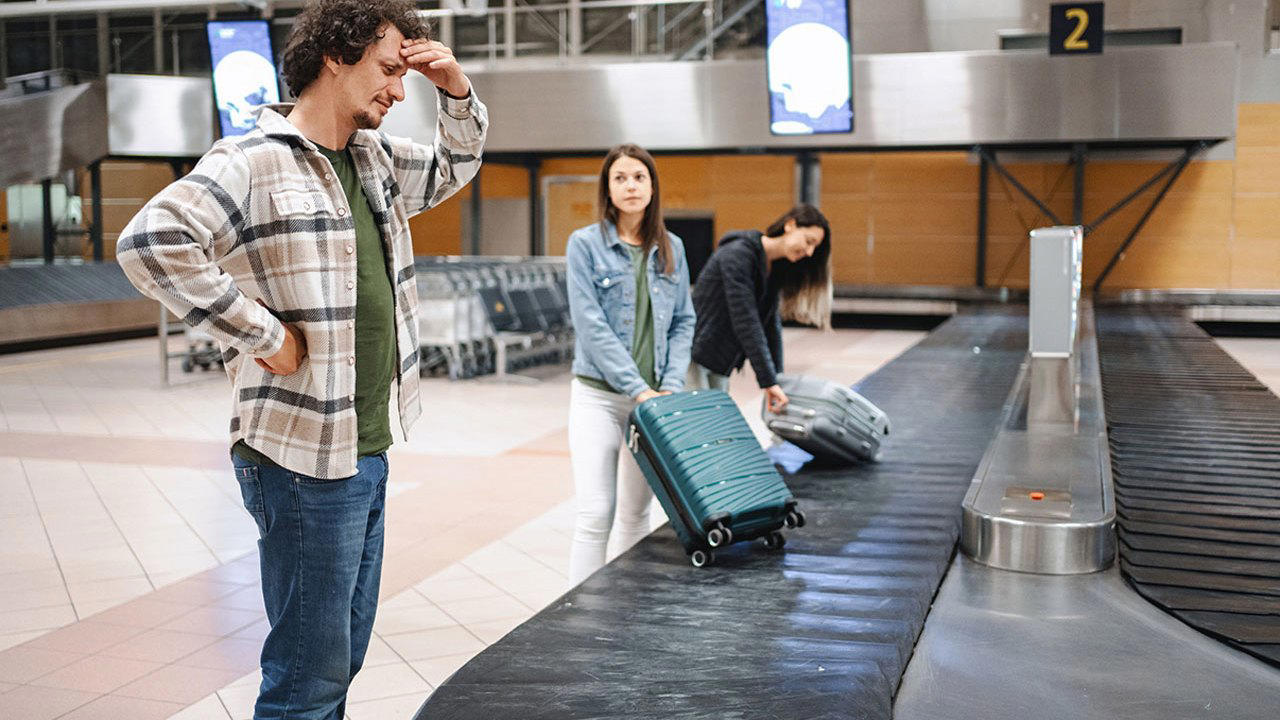
4. Myth: You don’t need insurance if you’re going somewhere safe It’s a good move to check a location on Smartraveller, but insurance isn’t just about a destination - it’s about coverage for unpredictability. The ICA notes some travellers skip cover because they perceive a place as low-risk, yet disruptions - from lost luggage to medical events and disruptions - can occur anywhere. Cover-More lists such scenarios as changing a trip itinerary due to a cyclone or being injured while surfing as common scenarios travellers have needed support for. “Travel Insurance is for the unforeseen and unexpected,” Blain Waterford says. In situations like the current Middle East crisis, most Australian travel insurers exclude direct claims related to acts of war but may still provide emergency assistance when travellers are already overseas and government advice escalates.
4. Myth: You don’t need insurance if you’re going somewhere safe
It’s a good move to check a location on Smartraveller, but insurance isn’t just about a destination – it’s about coverage for unpredictability.
The ICA notes some travellers skip cover because they perceive a place as low-risk, yet disruptions – from lost luggage to medical events and disruptions – can occur anywhere.
Cover-More lists such scenarios as changing a trip itinerary due to a cyclone or being injured while surfing as common scenarios travellers have needed support for.
“Travel Insurance is for the unforeseen and unexpected,” Waterford said.

5. Myth: You’re still covered when you return home
Travel insurance doesn’t follow you home. Policies only cover a traveller for the dates of the policy and once you’re back in Australia – and the policy has expired – the local healthcare system kicks in.
“An insurer will most often repatriate you to care in Australia, where the local health system steps in,” King said. Just because a mishap may have happened overseas does not mean the insurance continues after the end policy date.
Travel insurance is that part of travel we pay for, but despite the cost, hope never to use. I never travel without it, but on my next trip will have a little more faith, knowing help is no longer something that waits until you get home.