Travel chaos fears over DHS customs threat: List of airports at risk
A proposal from the Department of Homeland Security (DHS) to scale back or withdraw customs processing at major U.S. airports is raising fresh fears of nationwide travel disruption, with Newark emerging as an early flashpoint and a wider network of cities potentially in the firing line.
The idea, pushed by DHS Secretary Markwayne Mullin, would target airports in so-called “sanctuary” jurisdictions—places that limit cooperation with federal immigration enforcement—prompting warnings from industry groups that even limited changes could ripple across the entire aviation system.
Key Points
- DHS is considering pulling Customs and Border Protection (CBP) officers from airports in some sanctuary cities
- Newark Liberty International Airport—a major gateway into New York City—has become the immediate flashpoint amid nearby immigration protests
- Airline, travel and business groups warn the move could cause widespread disruption and economic damage, especially with the FIFA World Cup just weeks away
- Major international hubs, including New York, Los Angeles and Chicago, could face knock-on effects if staffing is reduced
- The White House has not approved a policy, with officials saying any final decision rests with the president
DHS is weighing pulling customs staff from airports in sanctuary cities, with Newark under immediate scrutiny as officials consider redeploying officers to support immigration enforcement operations.
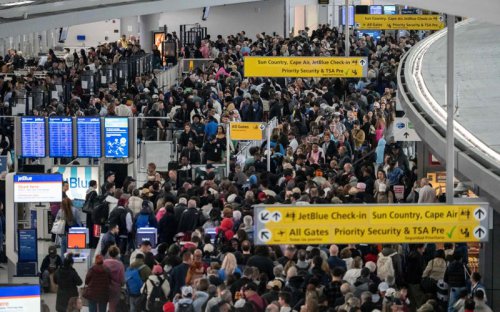
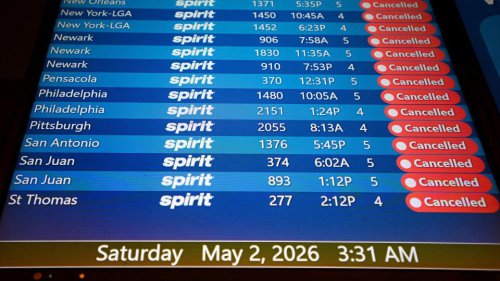
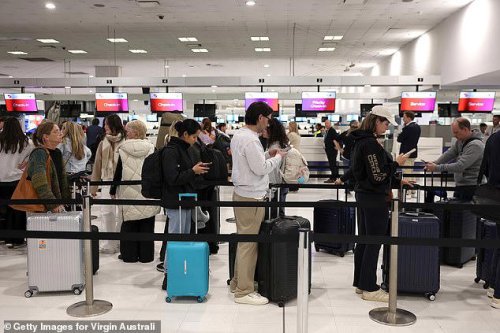
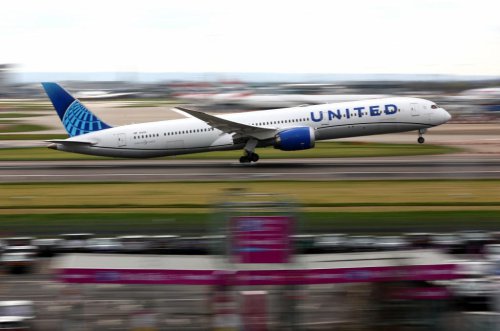
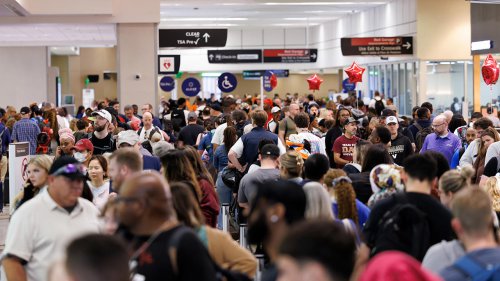
Airlines warn even partial reductions in customs processing could trigger delays, cancellations and cascading disruption across U.S. and global flight networks.
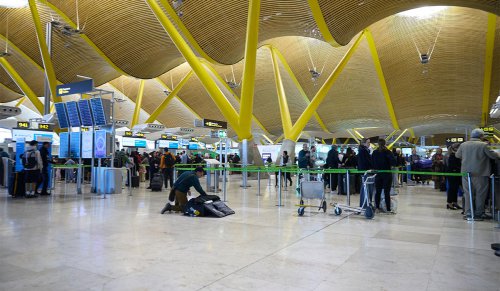
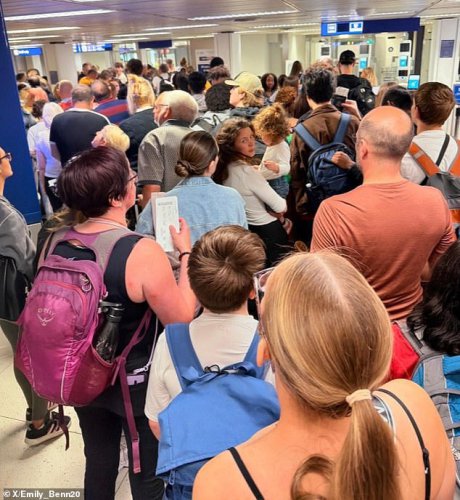
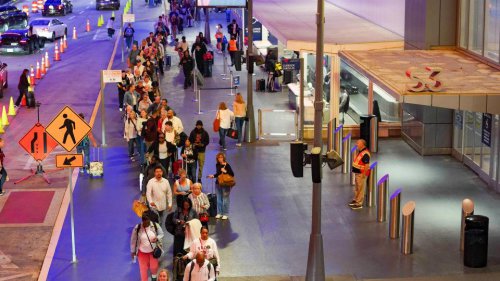
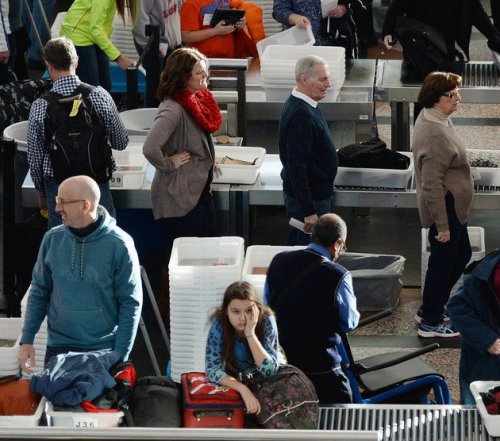
Millions of international passengers, U.S. travelers, airlines and cargo shipments could face rerouting or delays if staffing is reduced at major gateway airports.
Newsweek contacted the White House and DHS for comment via email outside of regular working hours on Saturday morning.
Why It Matters
The proposal stems from a broader clash between the federal government and jurisdictions that limit cooperation with immigration enforcement. Because major international hubs are concentrated in these cities, any disruption could quickly spread beyond local areas and affect national travel and trade flows.
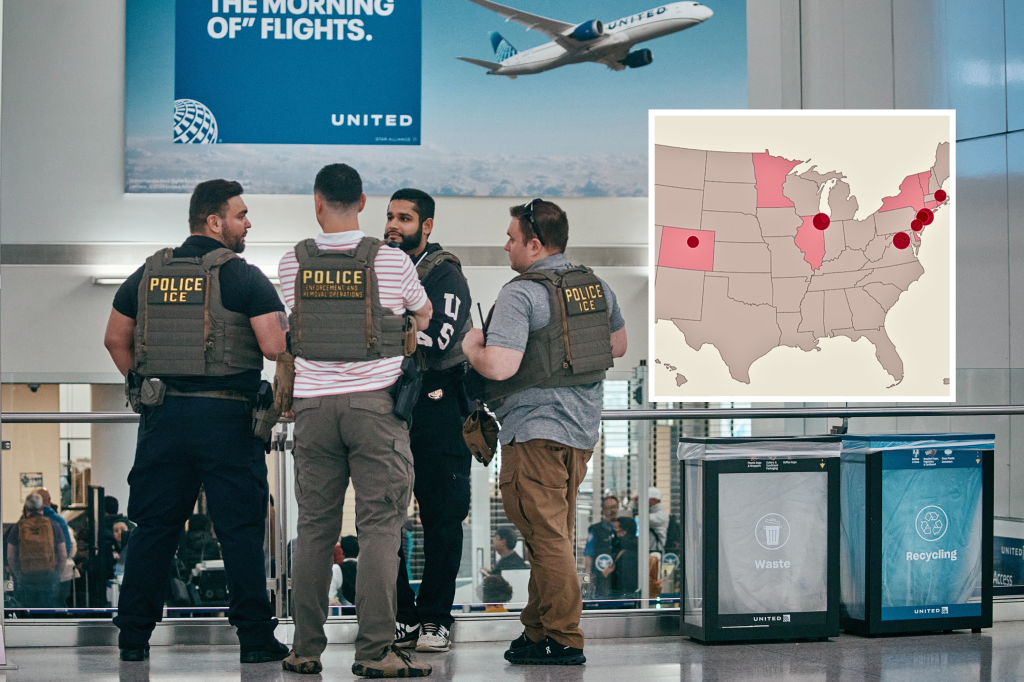
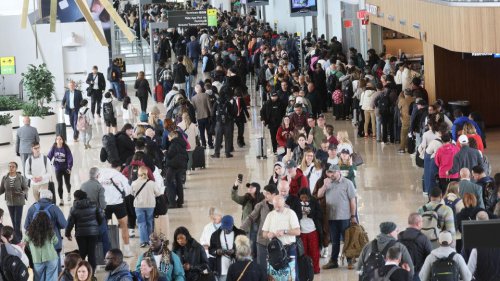
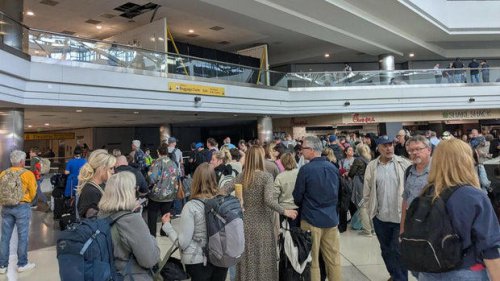
Main image: ICE agents stand guard inside Newark Liberty International Airport on March 23, 2026, in Newark, New Jersey. Inset: Map shows airports that could be impacted
What To Know
Warnings over potential travel chaos intensified this week as Newark Liberty International Airport became the first real-world test of the idea.
Mullin has said customs officers could be pulled from Newark to assist Immigration and Customs Enforcement (ICE) operations linked to protests at a nearby detention facility.
If “radical left Democrats” aren’t allowing federal authorities to enforce immigration laws in their communities, “then we shouldn’t be processing international flights into their cities either,” Mullin said in an interview with Fox News earlier this week.
That shift in staffing, officials and industry figures warn, could immediately disrupt the processing of international arrivals and departures.
Airline and travel groups have reacted swiftly. Seventeen industry organizations—including Airlines for America (A4A), the U.S. Travel Association and the Cargo Airline Association—urged DHS to avoid any action that could have “operational and economic consequences.”
“International aviation networks are highly interconnected, and operational changes at a small number of gateway airports will quickly ripple across the country, negatively impacting travelers, cargo shipments, supply chains, and the communities that depend on those connections,” the groups said.
Airlines for America went further, warning that reducing CBP staffing “would have a devastating effect on the airline and tourism industries, causing a significant operational disruption to carriers, travelers and the flow of international cargo.”
The U.S. Travel Association said it had met with Mullin and confirmed that the administration is considering withdrawing customs officers from some major international airports.

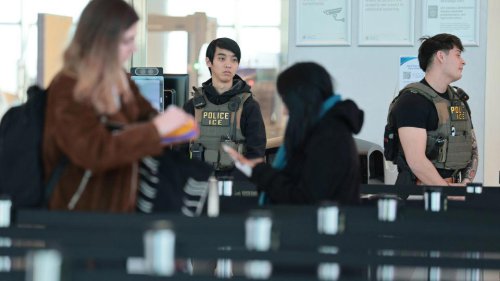
File image: Federal law enforcement agents stand inside Newark Liberty International Airport in Newark, New Jersey, on March 23, 2026.
“U.S. Travel believes such a move would have devastating consequences for the travel industry and communities that depend on international visitation,” the group said.
A White House official signaled the idea is still under consideration but not approved.
“The President loves having a team that is constantly coming up with new ideas, but ultimately any policy decisions will be up to him,” the official told Politico under the condition of anonymity to speak freely.
At present, there is no confirmed timeline for any rollout. Officials familiar with the discussions say there are no imminent plans, and the proposal is seen internally as one option rather than a finalized policy.
Still, the scope of what could be affected is significant. DHS has repeatedly pointed to airports in sanctuary jurisdictions, many of which are among the busiest international gateways in the country.
List of Airports at Risk
There is no single legal definition of a “sanctuary city,” but the term generally refers to jurisdictions that limit cooperation with federal immigration authorities.
Below are key cities and their primary airports frequently cited in reporting on the proposal:
California
- Los Angeles — Los Angeles International Airport (LAX)
- San Francisco — San Francisco International Airport (SFO)
Colorado
- Denver — Denver International Airport (DEN)
Illinois
- Chicago — O’Hare International Airport (ORD)
- Chicago — Midway International Airport (MDW)
Massachusetts
- Boston — Boston Logan International Airport (BOS)
New Jersey
- Newark — Newark Liberty International Airport (EWR)
New York
- New York City — John F. Kennedy International Airport (JFK)
- New York City — LaGuardia Airport (LGA)
Oregon
- Portland — Portland International Airport (PDX)
Pennsylvania
- Philadelphia — Philadelphia International Airport (PHL)
Washington
- Seattle — Seattle-Tacoma International Airport (SEA)
Washington, D.C.
- Washington, D.C. metro area — Ronald Reagan Washington National Airport (DCA)
- Washington, D.C. metro area — Washington Dulles International Airport (IAD)
Many of these airports act as key entry points for international travel, meaning any disruption would extend far beyond city limits.

File image: Federal law enforcement agents, including some with US Immigration and Customs Enforcement (ICE), stand inside Newark Liberty International Airport in Newark, New Jersey, on March 23, 2026.
Why Newark Is The Immediate Flashpoint
Newark sits at the center of the current debate because of its proximity to an immigration detention facility that has become a focal point for protests.
Mullin has suggested reallocating CBP officers from the airport to support enforcement efforts there, raising concerns that international passengers could face delays or canceled flights if staffing levels fall.
The airport is also a major hub for both passenger travel and cargo, handling tens of thousands of international arrivals daily, making any disruption particularly visible and immediate.

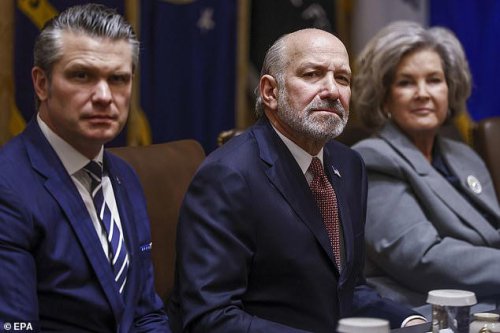
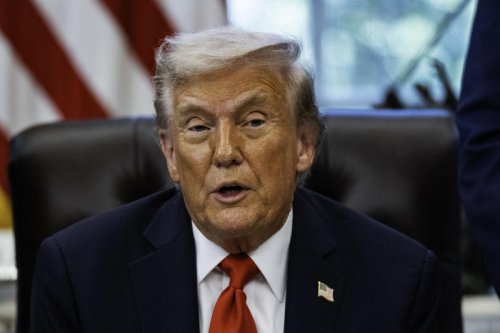
Markwayne Mullin (R-OK) testifies during his confirmation hearing to be the next Secretary of the Department of Homeland Security in the Dirksen Senate Office Building on Capitol Hill on March 18, 2026, in Washington, DC.
What Happens Next
For now, the proposal remains under discussion, with pushback from within the administration and across the travel industry.
Transportation Secretary Sean Duffy has publicly opposed the idea, warning that air travel should not be disrupted for political disagreements.
“We shouldn’t shut down air travel in a state that doesn’t agree with our politics,” he told a congressional hearing last week.
At the same time, industry leaders say even the possibility of such a move has already created uncertainty, especially as the U.S. prepares for a surge of international visitors ahead of major events.
If implemented, even partially, the policy could reshape how international flights enter the United States—and how easily passengers and cargo move across the country.
Related Articles
- US Strikes Another 'Drug Boat' In Third Attack This Week, Killing Three
- Gas Prices Set To Stay High Across 2026–Even if Iran War Ends
- Ukraine Has Gained the Upper Hand Over Russia