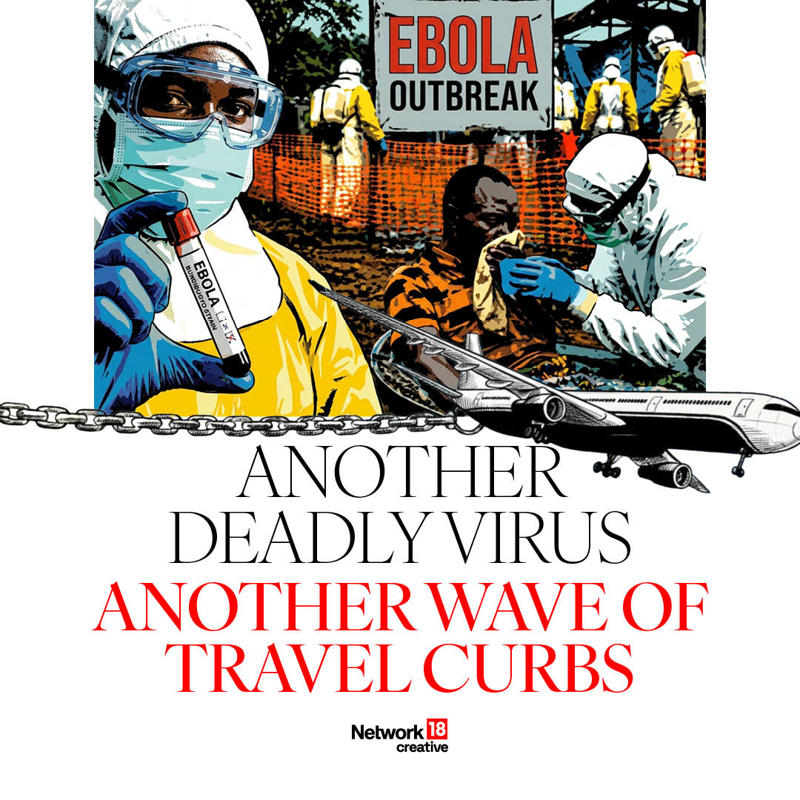
In the wake of the Ebola outbreak, several countries have imposed entry restrictions. (Image: News18 Creative)
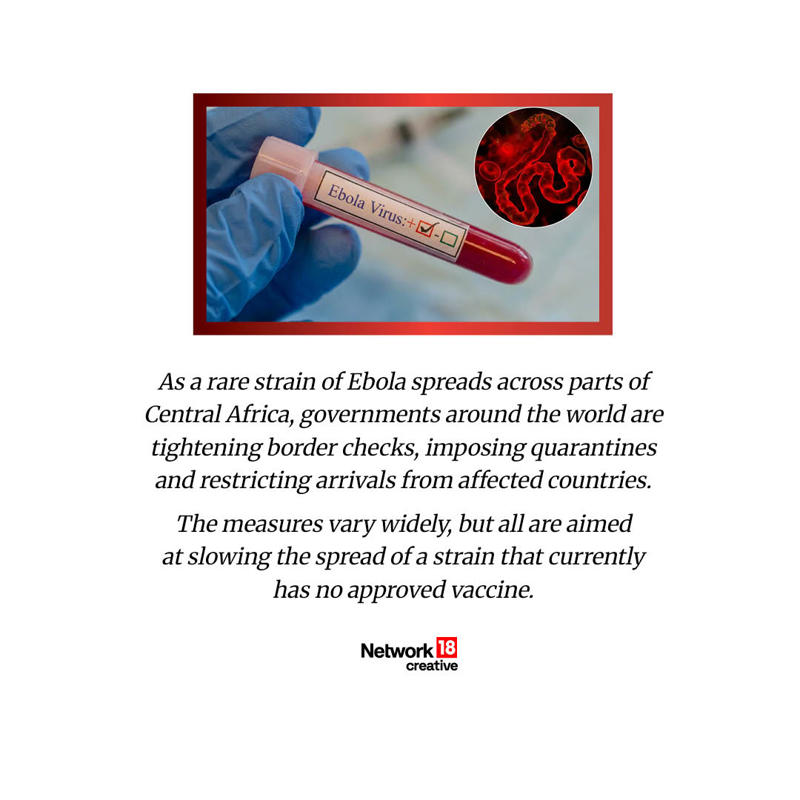
The measures vary widely, but all are aimed at slowing the spread of a strain that currently has no approved vaccine. (Image: News18 Creative)
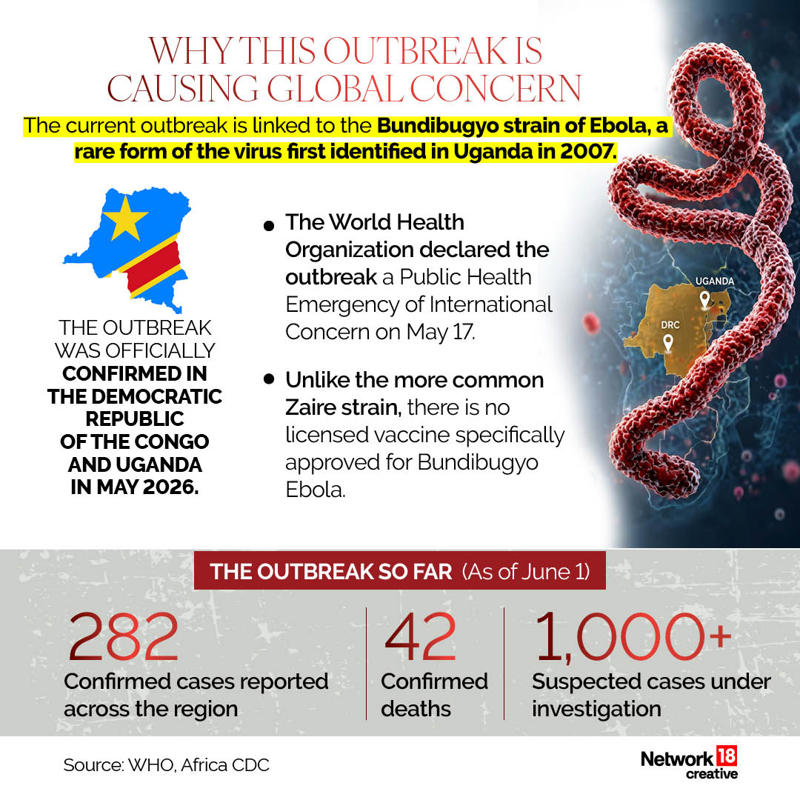
The World Health Organization declared the outbreak a Public Health Emergency of International Concern on May 17. (Image: News18 Creative)
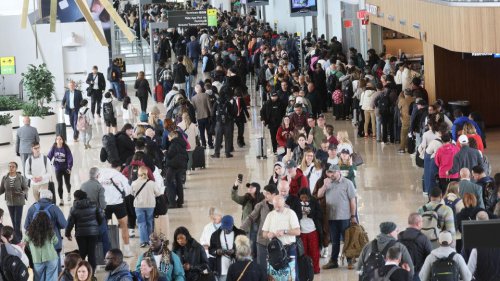
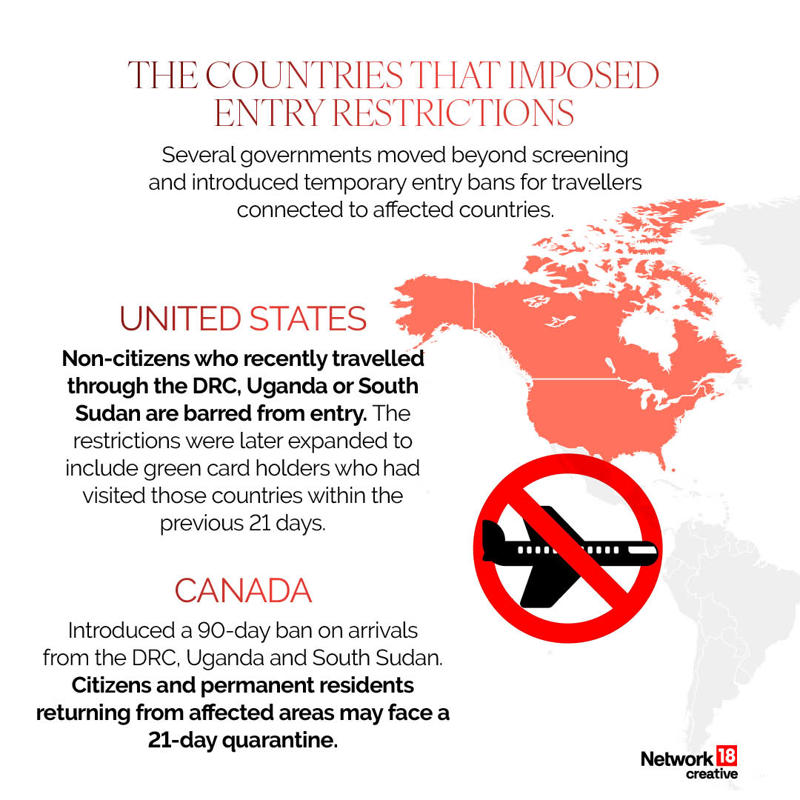
Several governments, including the United States and Canada, moved beyond screening and introduced temporary entry bans for travellers connected to affected countries. (Image: News18 Creative)
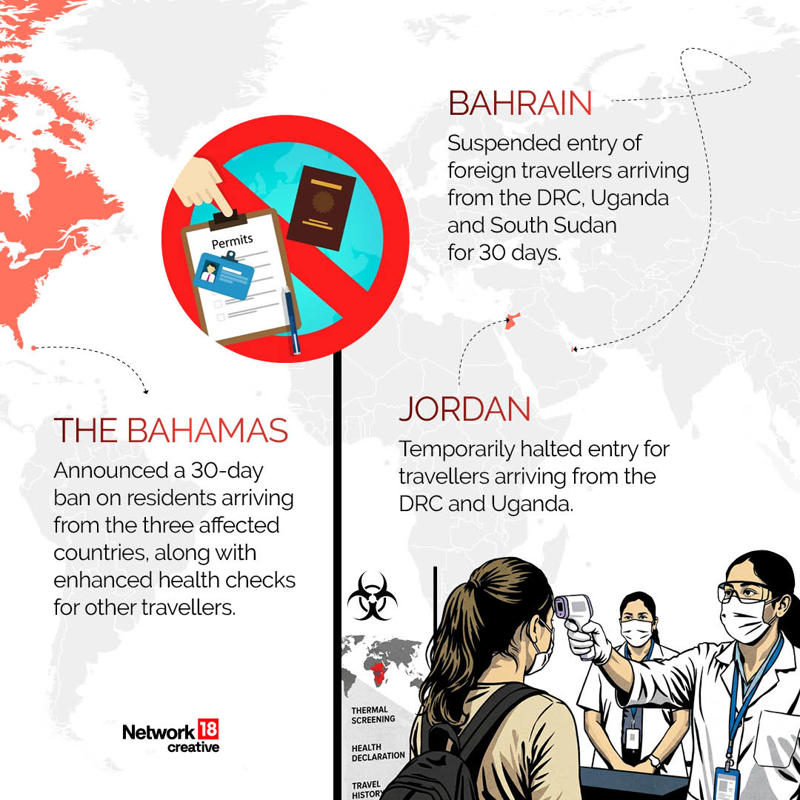
The Bahamas announced a 30-day ban on residents arriving from the three affected countries, along with enhanced health checks for other travellers. (Image: News18 Creative)
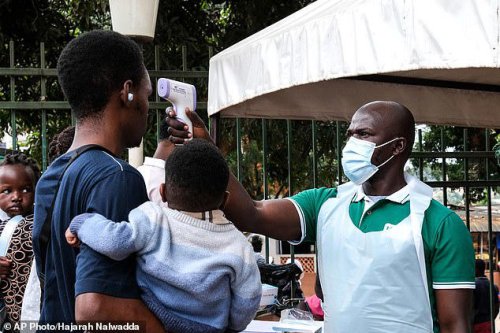
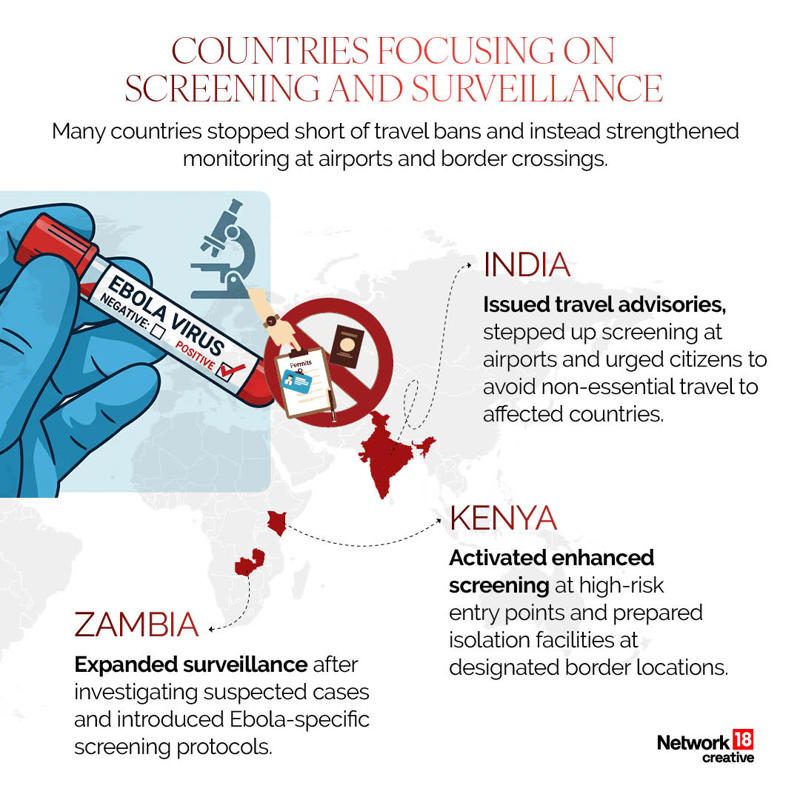
India issued travel advisories, stepped up screening at airports and urged citizens to avoid non-essential travel to affected countries. (Image: News18 Creative)
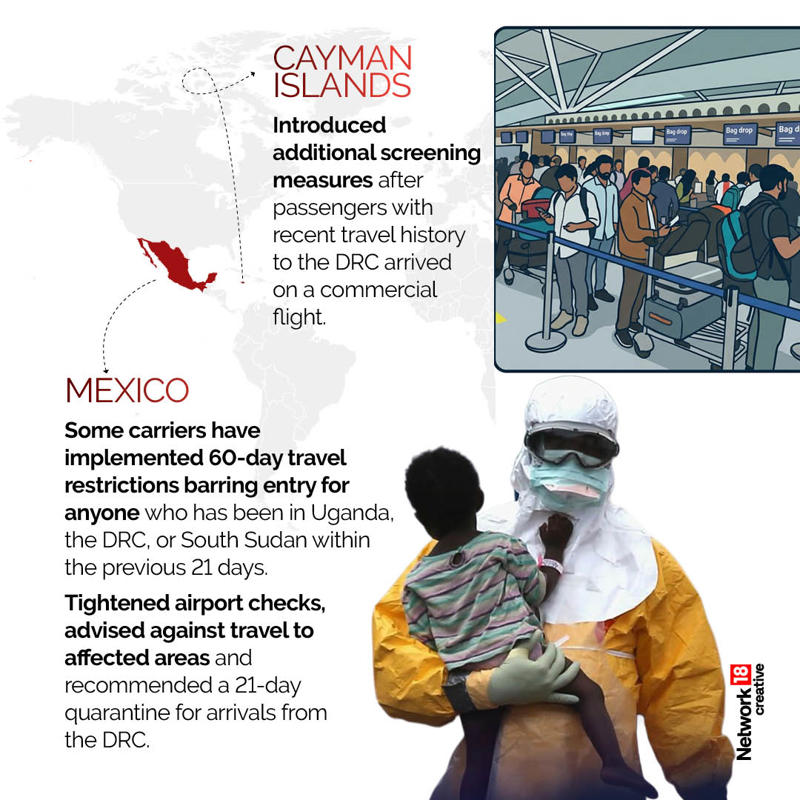
Some carriers in Mexico implemented 60-day travel restrictions barring entry for anyone who have been in Uganda, the DRC, or South Sudan within the previous 21 days. (Image: News18 Creative)
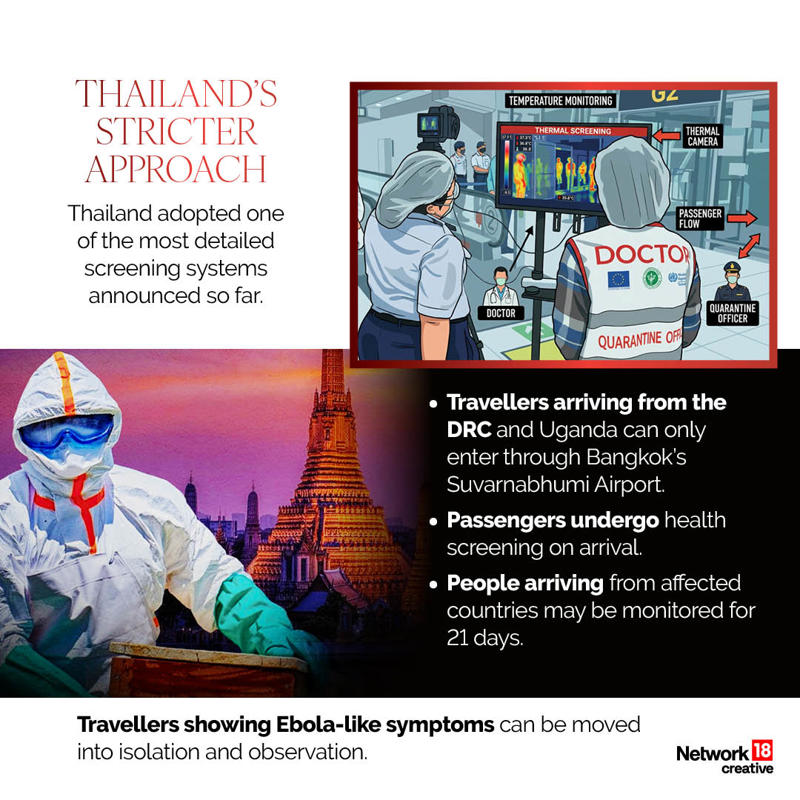
In Thailand, people arriving from affected countries may be monitored for 21 days. (Image: News18 Creative)
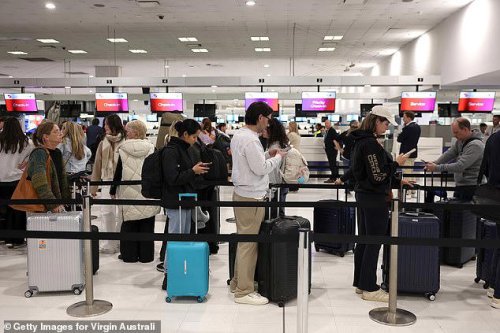
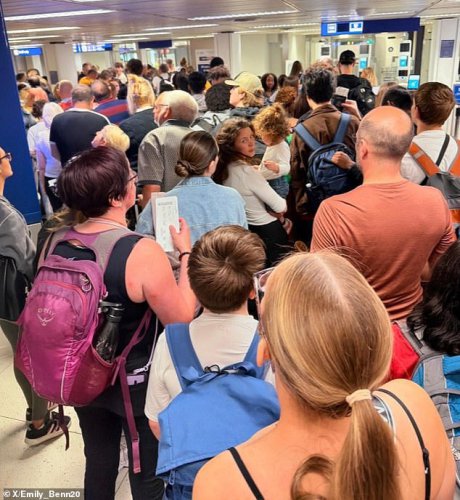
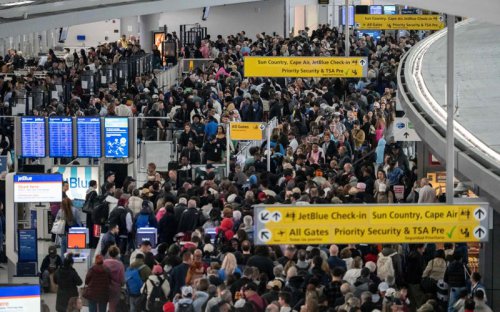
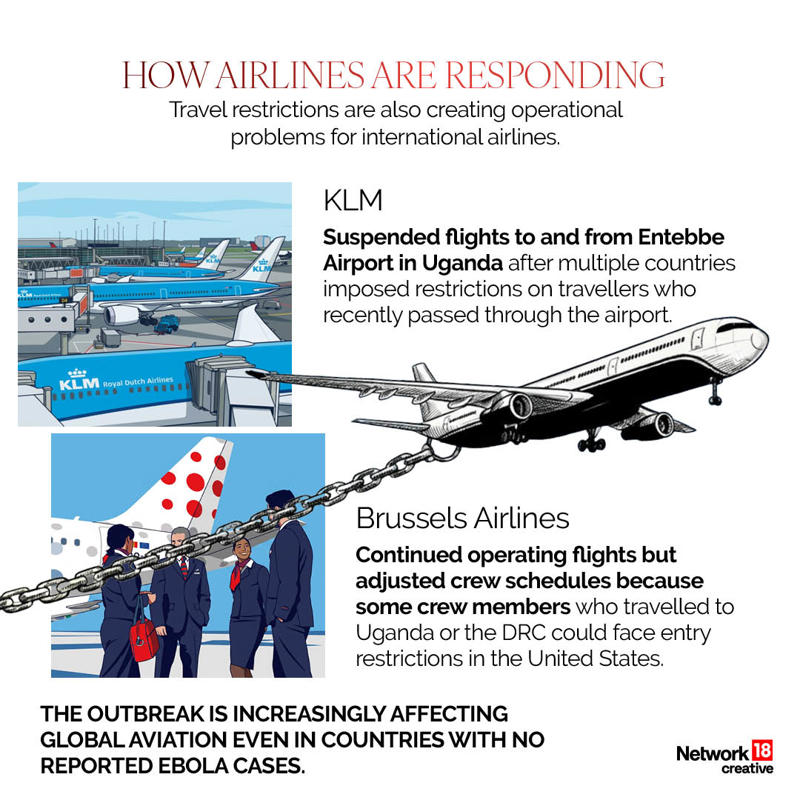
Meanwhile, travel restrictions are also creating operational problems for international airlines. (Image: News18 Creative)
Cross-border movement remains a major concern because infected people can travel before severe symptoms appear. (Image: News18 Creative)
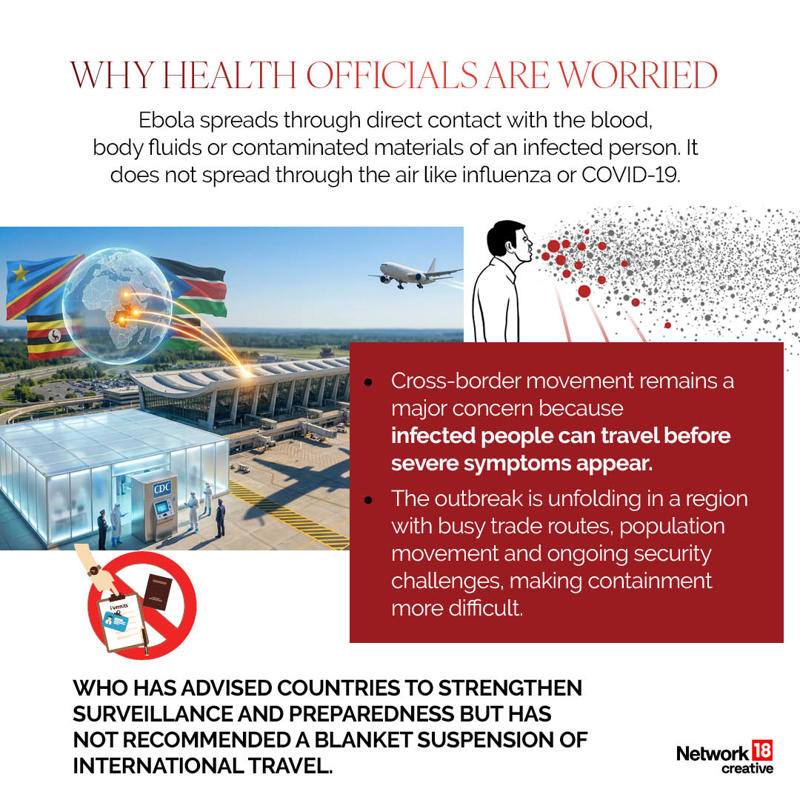
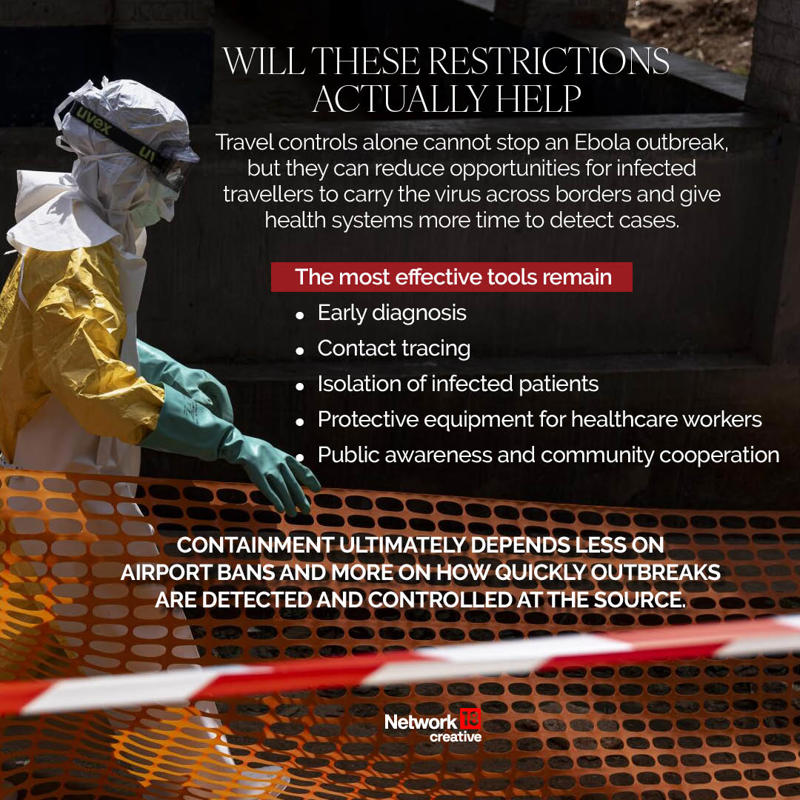
Notably, travel controls alone cannot stop an Ebola outbreak but they can reduce opportunities for infected travellers to carry the virus across borders and give health systems more time to detect cases. (Image: News18 Creative)